May 2018

What is an Italian Piazza?
By |2018-06-01T17:17:06-05:00May 31st, 2018|Feature, Features, General, Informational, Travel Tips, Tuscany|

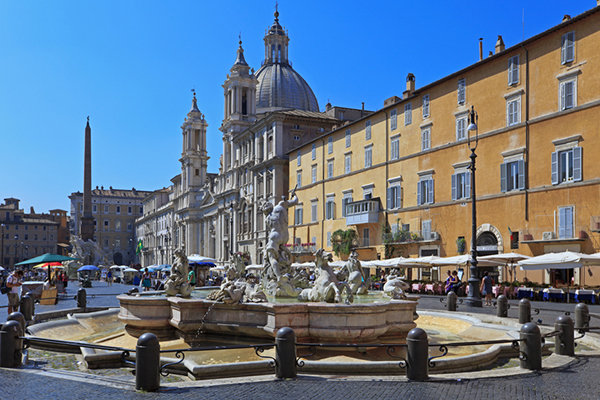
Piazza in Roma
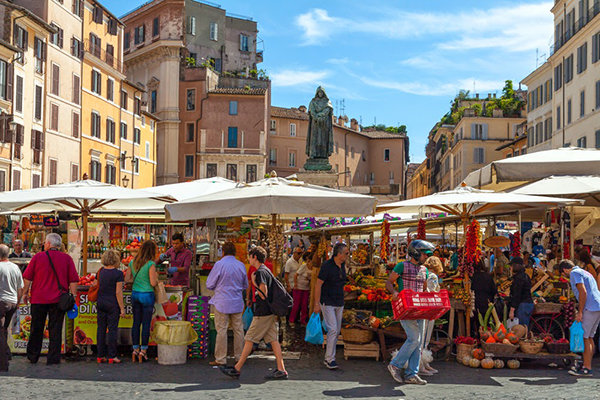
Typical Piazza

What is an Italian Piazza?
A Central Aspect of Italian Life

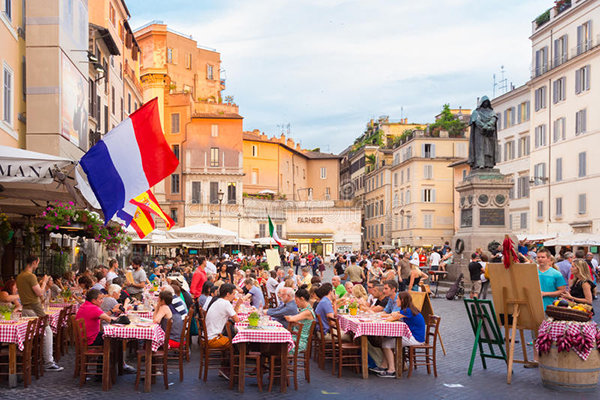
If you were to embark on a tour of Italy, one of the first things you’d probably be struck by is the ubiquity of the Town Square, or “piazza” as they’re referred to in Italy. Italian piazzas are very open and welcoming spaces, surrounded by beautiful buildings. They are the hearts and life centers and of Italian towns and cities, swarming with residents going about their daily business or simply taking time to reflect, gather, and enjoy life. What is it about these piazzas, though, that makes them so special and alluring? Maybe it’s the idea of a central gathering space in which the citizens of a town can gather, or perhaps it’s the charm that they add to any city. They are a blend of history, architecture and life, all of which blend together seamlessly to create an important cultural phenomenon unlike any other.

Piazzas date back to the Ancient Romans, whose towns typically consisted of a grid pattern built around two main roads. The space where these roads intersected was considered sacred, so large, open spaces flanked by markets, civic buildings, and other various shops were constructed in these areas. This was the template for the piazzas to follow, and in fact, some of these original Roman piazzas are still in existence today! By the time of the Renaissance period, Italian piazzas had fully evolved. An example of this is Piazza Pio II, widely regarded as one of the finest iterations of the Renaissance urban ideal. Located in the Tuscan town of Pienza and built in the 15th century, Piazza Pio II is notable for its trapezoidal shape—a new idea at the time.

Despite the piazza’s distant origins, they remain an important part of Italian culture and identity. Their usefulness and efficiency cannot be ignored, and they manage to provide this while evoking a sense of community rooted in history. Unlike a fine painting or architecturally brilliant church, the piazza’s value doesn’t lie solely in its physical traits. Rather, the human activity within a piazza is an integral feature of the piazza itself. People are the finishing touch that ties every element of the piazza together, like cars on a roadway or candles on a birthday cake. Simply put, the piazza becomes whole when its form is fully utilized. Italians will enjoy their leisure time in the piazza while sitting at a cafe, browsing the markets that can be found within, and simply going about their lives while surrounded by the rich history of their people. It is truly a testament to the architects of these piazzas that they continue to be used as they were originally intended to this day, and this also speaks to the great pride Italians have in their history and heritage.

Part of living like a local in Italy means enjoying a town square, and on our Highlights of Florence and Tuscany Experience, you’ll have the opportunity to do just that—while being guided by locals—in Florence, as well as the beautiful Tuscan towns of Pisa, Lucca, Siena, and several others. In order to get the most out of an Italian vacation, one must delve into the cultural pillars of the country, and piazzas are an excellent starting point!
Share This Story

Olive Oil, a Key to Italian Culture

By |2018-05-19T15:57:16-05:00May 19th, 2018|Uncategorized|

Olive Oil, a Key to Italian Culture

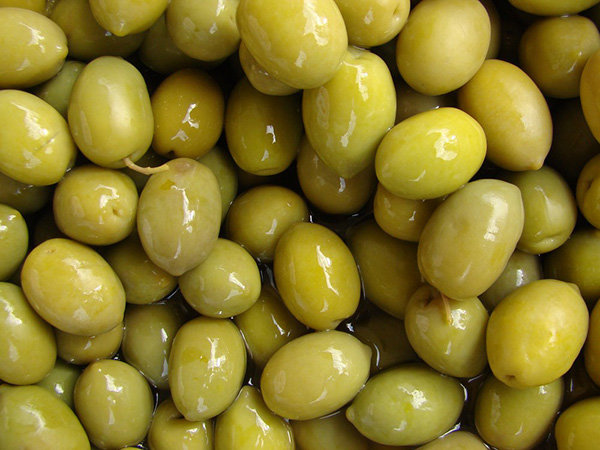
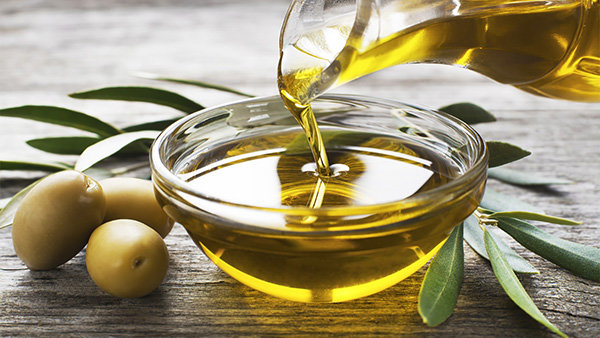
Italy is strongly associated with olive oil, and for good reason. Last year, Italians consumed 557,000 tons of the stuff! To put things in perspective, in the United States, where the population is many times greater than Italy’s, olive oil consumption for the same year stood at 315,000 tons. It has been a staple of the region for thousands of years, and it’s safe to say that Italians don’t mess around when it comes to olive oil. Making it is a fairly simple and somewhat delicate process. To briefly explain to the process, first, once the olives have been harvested (which typically occurs in autumn), they are ground into a very fine paste. This paste is then spun at high speeds in order to separate the oil from the solids, and there you have it!

Olive oil, like many other foods, is graded on its quality. You’ve probably heard the term “extra virgin olive oil” before, but have you ever given any thought as to what it means? As it turns out, extra virgin is the purest form of olive oil available. According to the International Olive Oil Council, in order to qualify as extra virgin, the olive oil cannot have any additives. In addition, it cannot have acidity higher than .8 percent. This sounds strict, but it’s worth it. The purity of extra virgin olive oil is such that the nuances of different oils shine through, so the oil’s taste is affected by things like the variety of olives used and the location where they were grown!

Italians have many different uses for their olive oil, and they keep several types on hand at all times. You could possibly assume that Italians would prefer to cook with their highest quality oils, but this is incorrect! Instead, they’ll usually cook with a less flavorful form of extra virgin olive oil, then save the best stuff for drizzling over pastas, breads, and vegetables. This makes a lot of sense, as the best oils will add delightful layers of flavor to any dish! In addition to tasting fantastic, the health benefits of olive oil cannot be overstated. Rich in antioxidants and healthy monounsaturated fats, olive oil has been proven to protect against heart disease, reduce the risk of type 2 diabetes, prevent strokes, and keep hair and skin looking nice and healthy. Not only that, but it doesn’t cause weight gain, either!

So, if you’ve just been reminded of how incredible olive oil truly is, you’ll be happy to know that if you choose to embark on our Cooking Under the Tuscan Sun experience, there will be plenty of Italian olive oil for you to cook with and enjoy. And even if cooking doesn’t align with your interests, the Highlights of Florence and Tuscany Experience will give you lots of chances to try Italian olive oil as well—after all, it is a staple! An Italian vacation should encompass every important aspect of the country, and based upon those consumption stats we saw earlier, olive oil is another pillar in what makes Italy so special.

Share This Story

Experiencing a Beautiful Italian Summer

By |2018-05-16T05:12:36-05:00May 13th, 2018|Feature, hidden gems, Summer, Tuscany|

Summer in Tuscany
Panzanella

Experiencing a Beautiful Italian Summer

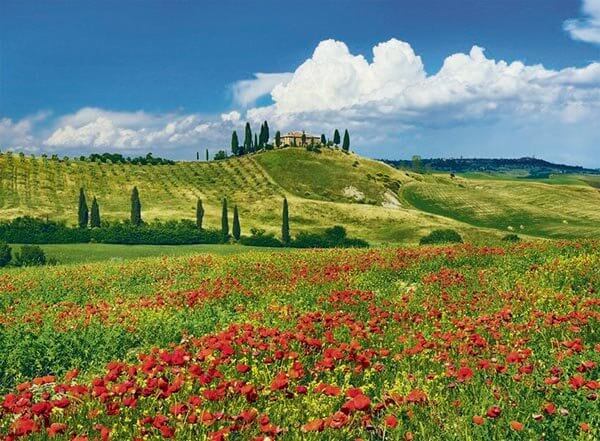
Summer is just around the corner, and for many people, that means it’s time for a vacation! Summer vacations in Italy, especially in Tuscany, can be full of many wonderful festivities and attractions; if you’re a fan of warm weather, you will love experiencing Tuscany’s stunning natural beauty. Tuscany is classified by its Mediterranean climate, with generally mild winters and nice, toasty summers. Due to the unique geography of the region, temperatures can vary widely based upon your location, with the coasts and valleys being generally warmer than hills and mountains. There’s no better time to enjoy the beautiful coasts, with gentle, refreshing sea breezes blowing in to contrast the warm summer air.

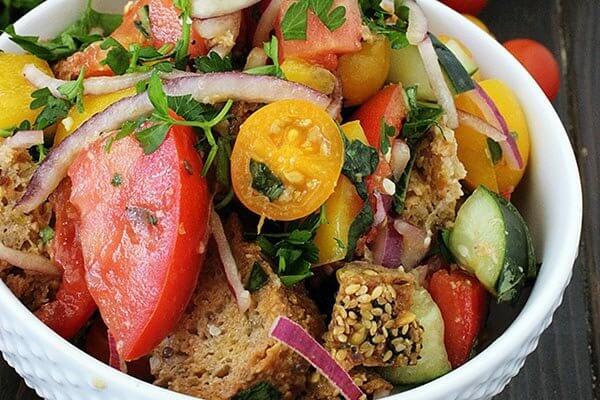
Apart from the joys of enjoying lovely Tuscan weather, summers in Tuscany come with another host of benefits. If you read our recent Tuscan food piece, you may recall that we mentioned Panzanella, a salad made of leftover bread and fresh, sun-ripened vegetables grown in the fertile Tuscan soil. It should come as no surprise that this is a terrific summer dish, so if you want to try it at its best, summertime is your best chance. It’s amazingly refreshing on a hot day! If the warm temperatures attract you to the coast, then you’ll find lots of wonderful seafood to dive into as well. And how awesome does a big scoop of authentic gelato sound for a chilly summer treat? Tuscan food is borne out of the finest resources available at any given time, and as a result, it complements the weather in ways that few other foods can.

While summer in Tuscany demonstrates itself to be a great time to enjoy seasonal dishes and the region’s natural beauty, it is also ideal for attending events and landmarks. Most of us would probably agree that a warm and pleasant day is the best time to go for a leisurely stroll; that’s enjoyable enough in its own right. But imagine doing so in the midst of some of the most well-preserved Renaissance architecture in existence! We know that warm weather brings people outside, and this will you give you the chance to observe the peak of human activity throughout the town squares and side streets of Tuscan cities and towns if you feel so inclined.  The chance to observe and explore the ways the citizens of a distant country interact and function throughout their daily lives is a valuable aspect of travel, and one could argue that it is key to fully understanding and appreciating a place. At A Toast to Travel, we believe an Italian vacation should allow you to fully immerse yourself in the culture so that you may experience how it feels to live like a local. And if you choose to embark on our Highlights of Florence and Tuscany Experience in the summer, you’ll get the chance to experience everything that a Tuscan summer has to offer.

Share This Story

Happy La Festa della Mamma!

By |2018-05-07T21:19:43-05:00May 7th, 2018|holidays, Mother's Day in Italy|

Happy La Festa della Mamma!

Once again, Mother’s Day is just around the corner! We love to celebrate the most important women in our lives and show them how much they mean to us. As it turns out, this sentiment is echoed in Italy, where La Festa della Mamma—the Italian phrase for “Mother’s Day”—is widely celebrated on the second Sunday of May, much like American Mother’s day. La Festa della Mamma was first celebrated in Italy back in 1957 at the initiative of the parish priest of the Tordibetto church in Assisi, Umbria.  Mothers are some of the most important figures in Italian life—so much so that Italian men are often referred to as mammoni (meaning “mama’s boys”), so sure enough, Mother’s Day quickly caught on. By 1958, the Italian senate had made the holiday official. Nowadays, it’s a very important event for many Italians!

A widely known quote throughout Italy that encapsulates the spirit of La Festa della Mamma and demonstrates to value Italians place on their mothers translates to “There’s just one day in which to remember who gave me life, but there are 364 days for me to make you proud of that gift.” This devotion to mammas culminates in the ways Italians celebrate La Festa della Mamma. On this day, Italian mothers are recognized for their reputation of harboring a nurturing, caring nature. Families reunite from all corners of the country in order to give their moms the best celebration possible, and if anyone is unable to attend, they’ll still be sure to make a call and send a card or flowers. Mamma is not to lift a finger during her special day, so any cooking and cleaning is left to the rest of the family. La Festa della Mamma is much less commercialized than American Mother’s Day, and this is reflected in a number of ways. Many sentimental, homemade gifts will be given, and she may receive cards and letters bearing the phrases “Ti voglio tanto bene” (I love you so much) or “Sei la mamma migliore del mondo” (You’re the best mom in the world). Additionally, in a wonderful show of affection, children will typically prepare a special poem for their mothers at school and then recite it in the presence of the whole family.

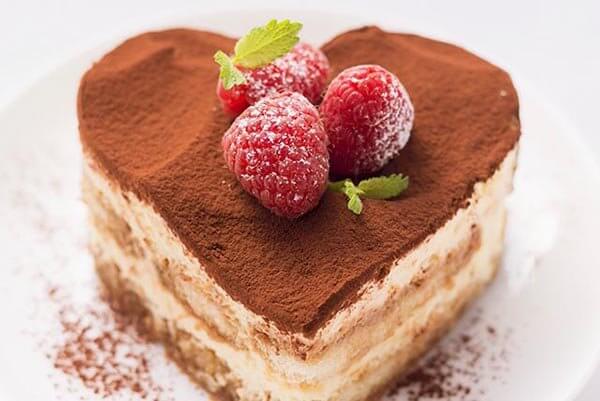
The day’s activities are mainly centered on family togetherness, and the main event is a family lunch. There’s no set rules on whether or not the meal must be homemade or not; any family is as likely to go out as they are to cook. As long as the family is together, celebrating their wonderful mamma, then it’s a proper La Festa della Mamma celebration. A practice that does remain consistent, however, is the manner in which the meal is typically topped off: a lovely heart-shaped cake with a liqueur coffee!

All in all, Italians love and value their mammas, the Italian Mother’s Day experience reflects this greatly! This Mother’s Day, be sure to call or visit your mother, or at the very least, reflect on the impact she has made in your life. Buona Festa della Mamma!

Share This Story

Experiencing Italian Cooking

By |2018-05-03T05:58:00-05:00May 3rd, 2018|Feature, food, hidden gems, Tuscany|

Experiencing Italian Cooking

For the many travelers who choose to embark on a tour of Italy, one of the commonly recognized highlights of the overall experience is the food. Tuscany, in particular, is home to a number of delicious specialties. Tuscan cuisine is known for its delightful simplicity which lets the individual ingredients speak for themselves, with bread, meats, cheeses, fruits and vegetables being central to many dishes. Much like the rest of Italy, olive oil is an important staple in Tuscany, where it is typically made from Leccino, Moraiolo, and Frantoiano olives. The region is also known for traditional Florentine steaks, which come from the native Chianina and Maremmana cattle breeds that are found there. Apart from these fundamental elements of Tuscan cuisine, there are plenty of specific dishes there that are very much worth trying!

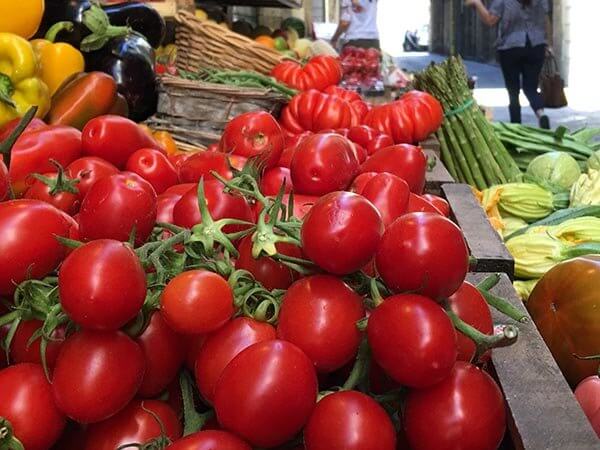
Throwing away stale bread is highly frowned upon, so instead, a salad called Panzanella is made. The bread is tossed in with Tuscan-grown cucumbers, tomatoes and onions, then is seasoned generously with salt, olive oil and vinegar. Not a bad way to make use of those leftovers, and it’s a lovely summer meal to boot! If you’re feeling more like enjoying some fresh Tuscan bread, however, you may try Fettunta. Fettunta is typically ordered at the start of a meal, and it consists of a freshly toasted slice of bread drizzled with delicious Tuscan olive oil, rubbed with garlic, and sprinkled with salt. These dishes are two examples of the many ways in which the people of Tuscany demonstrate their passion for bread.

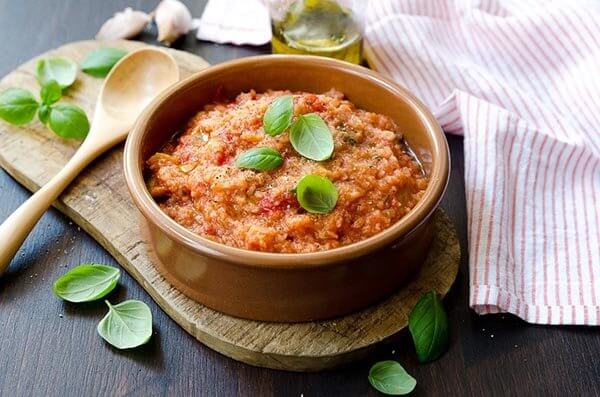
Beyond that, there’s also a special affinity for soups in Tuscany. Papa al Pomodoro is a thick, rich tomato soup prepared with basil and other vegetables, then served with stale bread. (Again with the stale bread—they really know how to make the most of their food!) Another type of soup is ribollita, which is made with kale, cabbage, onions, beans, carrots, potatoes and a few other vegetables, as well as—you guessed it—leftover bread. If you’re not a fan of soup, that’s not an issue—there’s plenty more variety in Tuscan cuisine. For example, you may fancy trying tagliatelle al tartufo, a dish that consists of pasta smothered in a rich truffle sauce. Tuscany is fortunate enough to feature naturally-occuring black and white truffles, both of which are very rare, growing within its borders. So as a result, this decadent Tuscan staple is absolutely worth giving a try. As a matter of fact, when you tour Italy with A Toast to Travel, you’ll hunt truffles in the morning. Then, during our hands-on cooking in Tuscany experience, Cooking Under the Tuscan Sun, you’ll learn to make fresh, Tuscan truffle sauce for our fresh pasta.

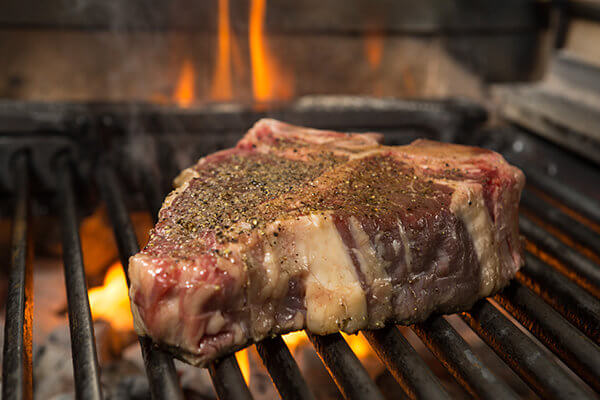
Potatoes are an important ingredient in Tuscany as well, so the wonderful potato tortelli should not be ignored. It consists of ravioli-like pasta stuffed with potatoes and smothered in a rich game meat sauce. And of course there’s the aforementioned Florentine steak, or Bistecca alla Fiorentina, which cannot be missed. It’s a large t-bone steak typically weighing 3 to 4 pounds, and it’s so thick that it must be cooked on all sides! Once you’ve tried some of these meals, save room for dessert, because Tuscany is home to plenty of those as well. There’s the world-famous gelato, of course, and trying it is certainly a given. Ricciarelli, from Siena, are traditional biscuits made with an almond base as well as sugar, honey, and egg whites, and are typically consumed around Christmas.

The chance to sample some of these dishes (and many, many others) could be yours with the Highlights of Florence and Tuscany Experience! A Tuscan holiday simply would not be complete without the opportunity to indulge in the finest food offerings available, and because A Toast to Travel gives you the chance to live like a local, nothing will be glossed over. Italy is a wonderful, dynamic country, and we strive to give you the best Italian vacation experience possible!

Experiencing Italian Cooking

Go to Top